Independent product innovation Exploratory advisory work
Rethinking performance mobility through industrial design
An independent product innovation concept exploring how high-performance engineering and design-led thinking could redefine the mobility experience.
Elite wheelchair project· Exploratory concept development
Overview
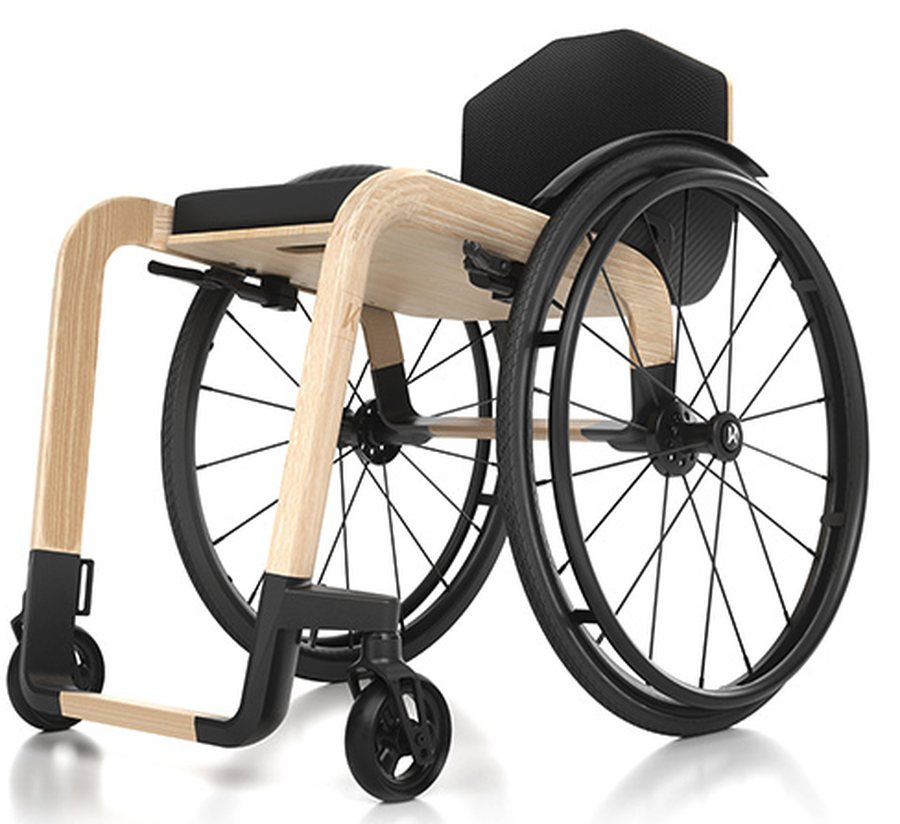
Exploring a new category of luxury performance mobility: a wheelchair concept that combines the reliability and functionality of traditional mobility equipment with the engineering ambition, premium materials, and design language of high-performance consumer products.
- Context
- Wheelchairs are designed and classified primarily as medical equipment, where reliability, durability, and clinical function come first. The opportunity was to expand the category into a design-forward product without compromising those essential requirements.
- My contribution
- Product strategy, category research, opportunity identification, product vision, and exploratory concept development.
- Outcome
- The work established a strategic concept direction for a potential new category of luxury performance mobility.
Problem
This project explored an opportunity to rethink how premium mobility products are designed and positioned. The central question: what if a wheelchair were designed with the same ambition as high-performance equipment and luxury consumer products?
The objective was a product that brings together clinical reliability and everyday usability, high-performance engineering, premium materials and craftsmanship, distinctive industrial design, and customization and personal expression.
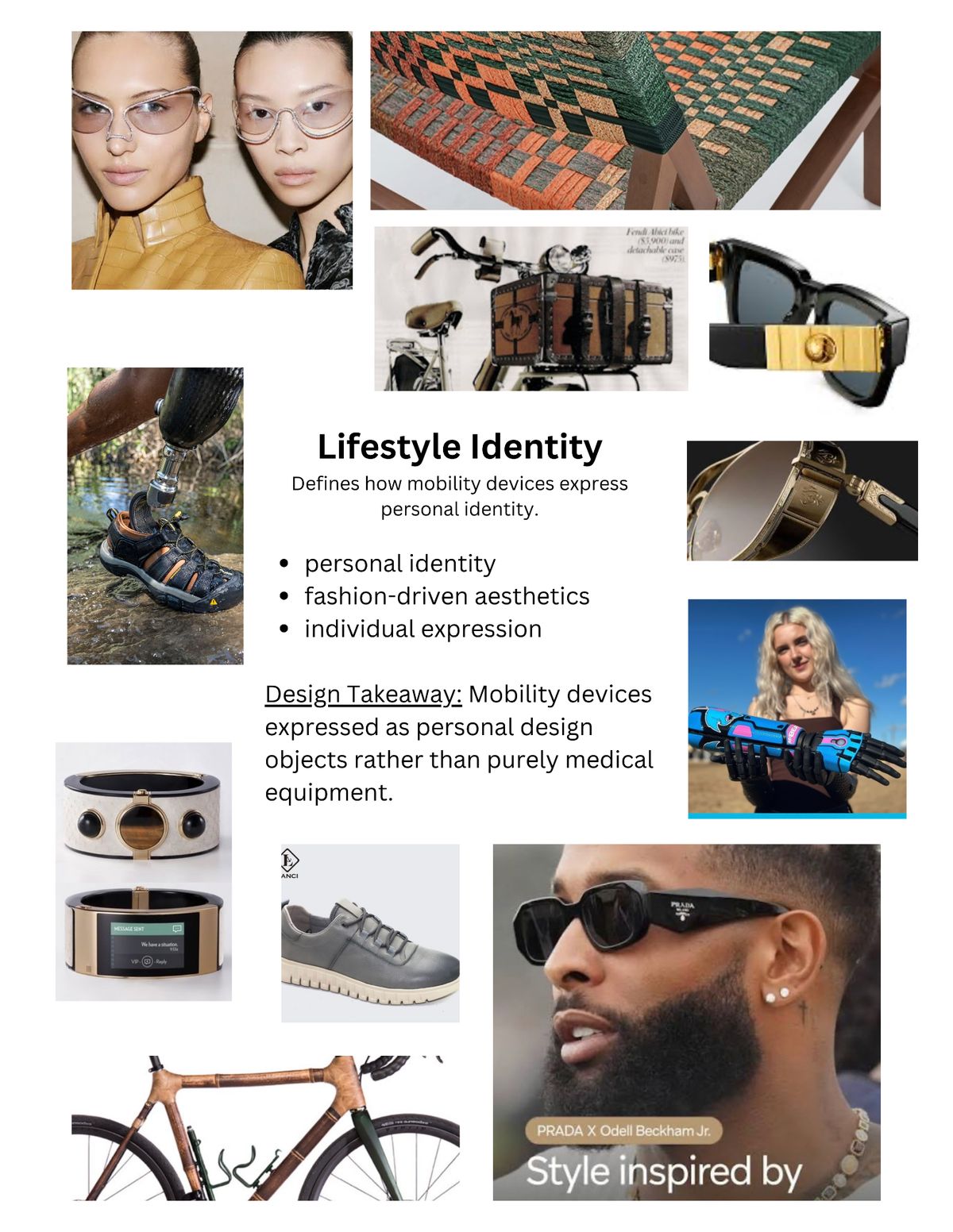
For many people a wheelchair is an everyday product and an extension of their lifestyle, not only a medical tool. The work focused on improving the product experience rather than replacing the fundamental requirements of mobility equipment.
Supporting evidence
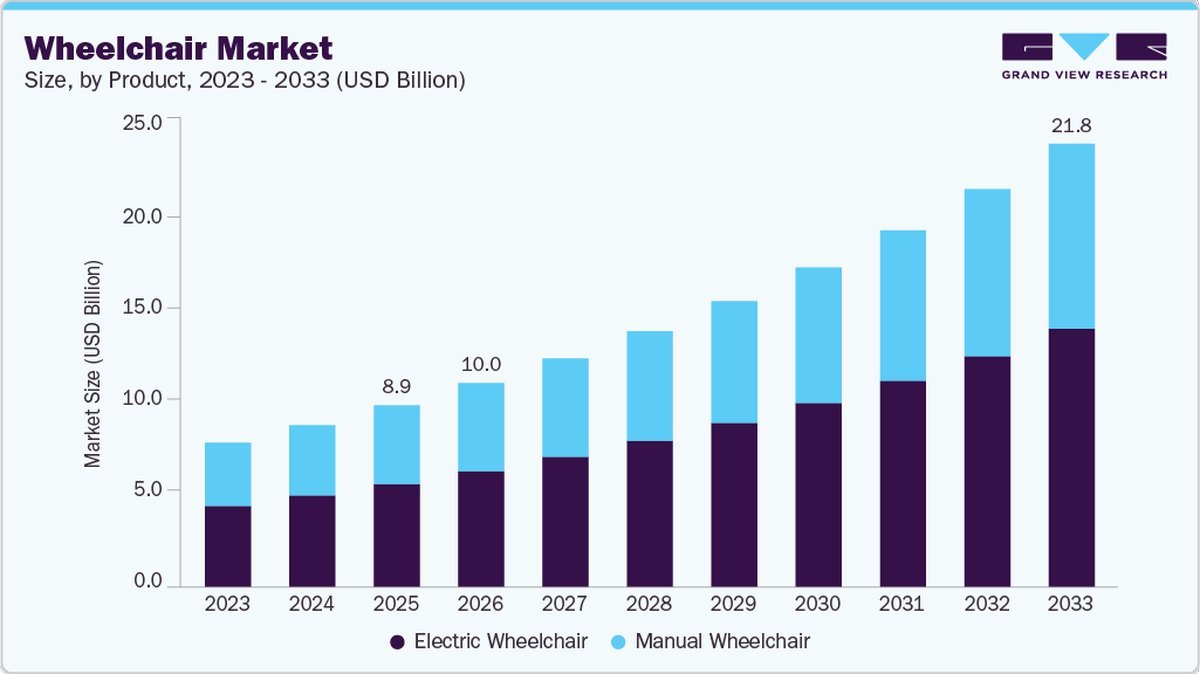
- Market landscape. The wheelchair market is growing, with demand influenced by aging populations and increasing mobility needs. Industry forecasts in the research estimate an $8–12 billion market by 2030.
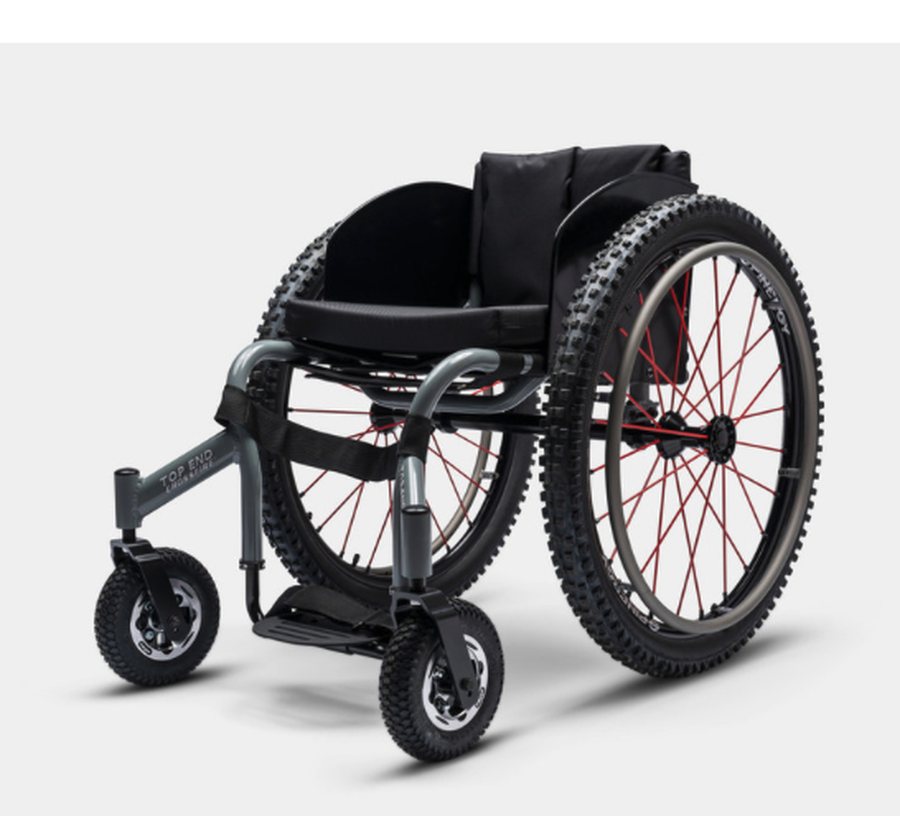
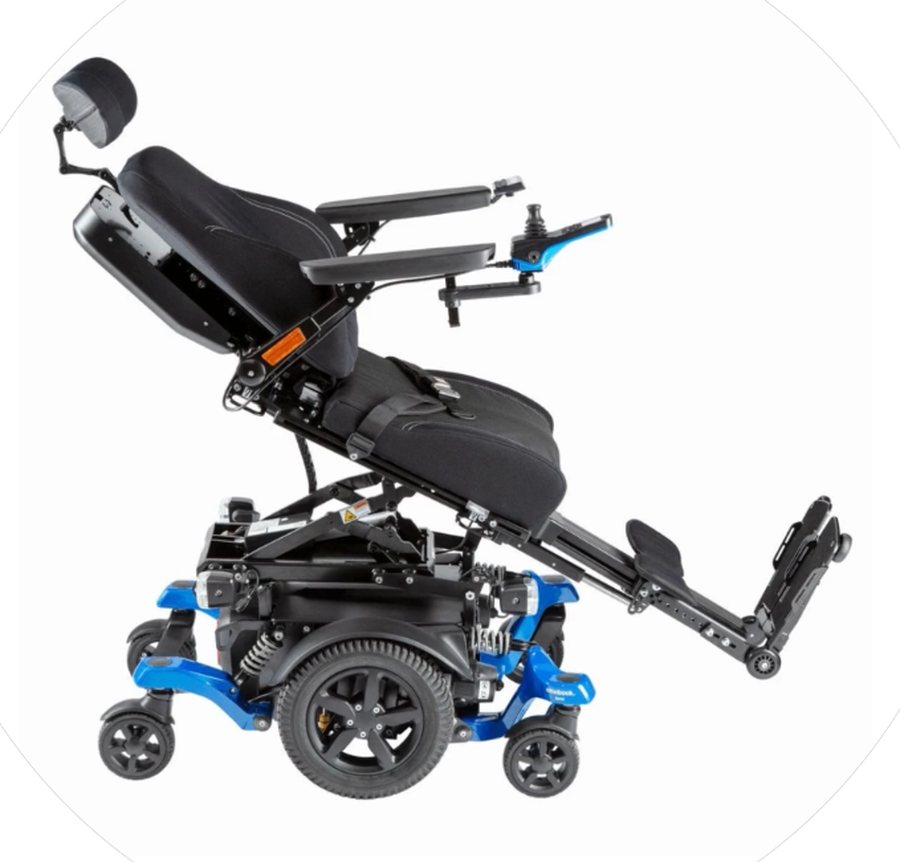
- Category analysis. Three broad segments were examined: medical and everyday wheelchairs (reliability and general mobility), sports wheelchairs (lightweight construction and athletic performance), and powered mobility devices (technological assistance and independence).
- Identified category gap. Existing categories do not fully address the intersection of premium aesthetics, performance engineering, and everyday mobility.
- Industry innovation. Research identified advances in smart mobility systems, customization, ergonomics, 3D-printed components, and advanced materials.
- Design opportunity. Engineering performance and functional innovation have progressed, but product identity and aesthetic expression remain underexplored.
My contribution
What I did
- Researched the wheelchair market and competitive landscape.
- Benchmarked existing medical, everyday, athletic, and powered mobility products.
- Identified an opportunity for a new luxury performance mobility category.
- Defined the target user and product vision.
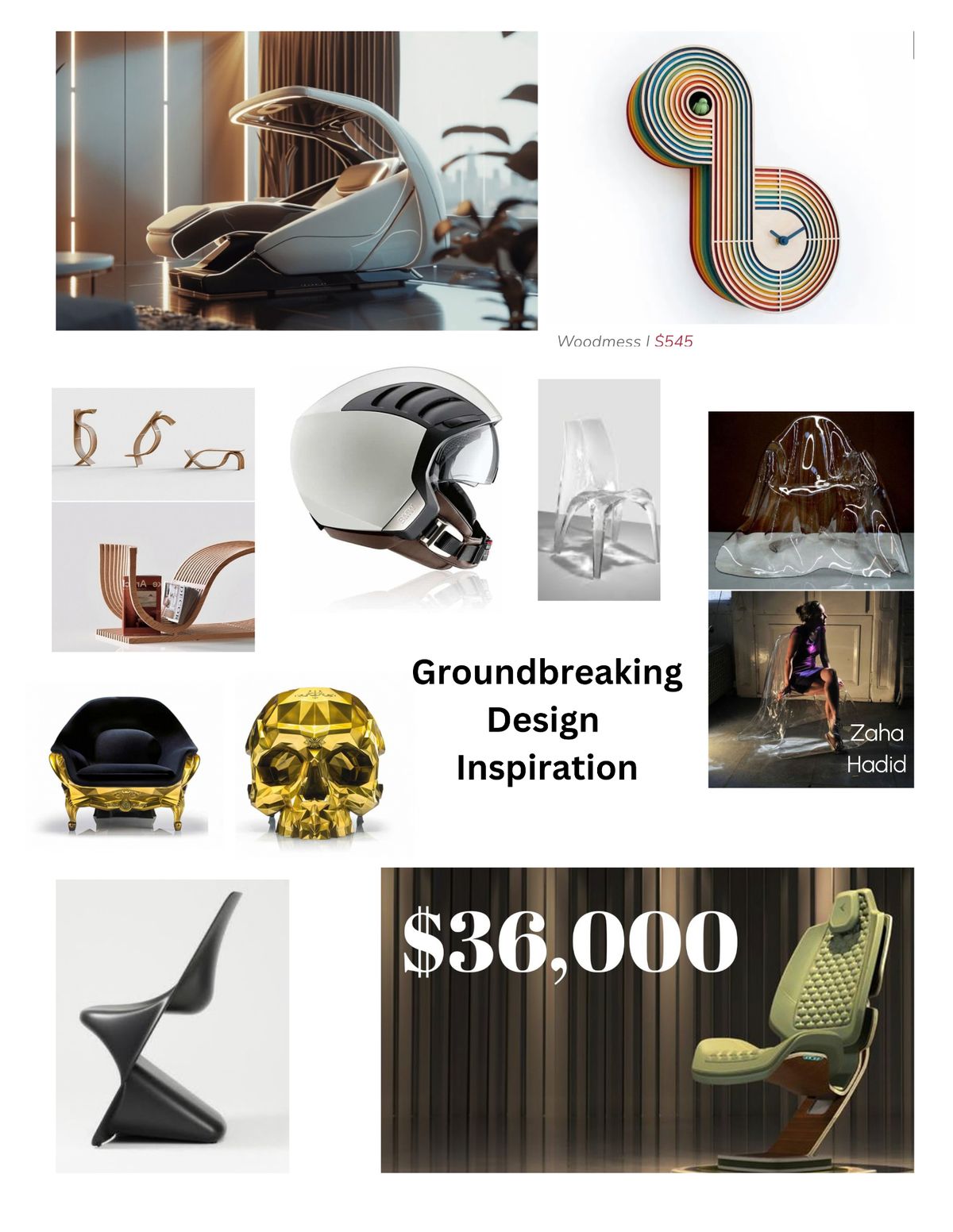
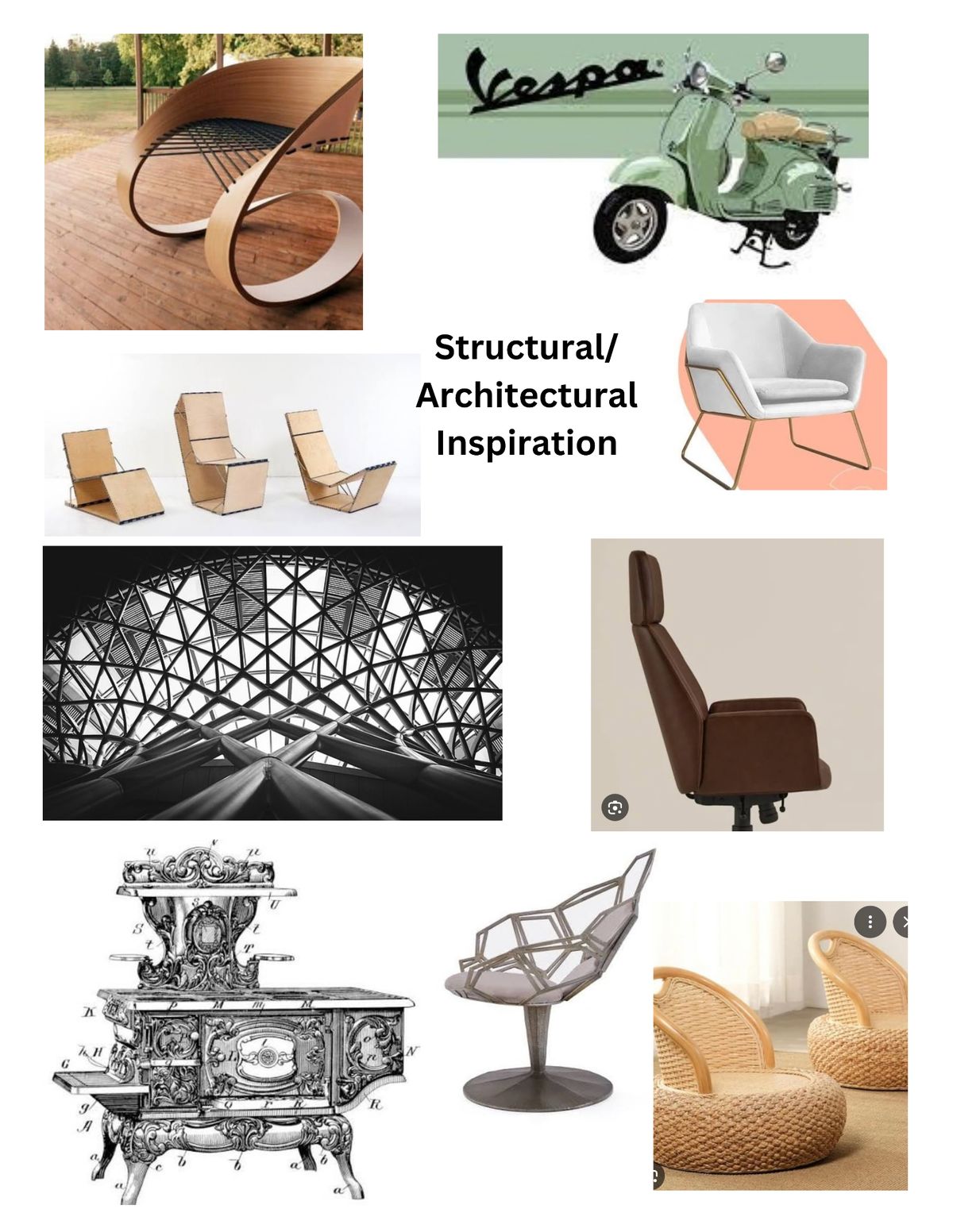
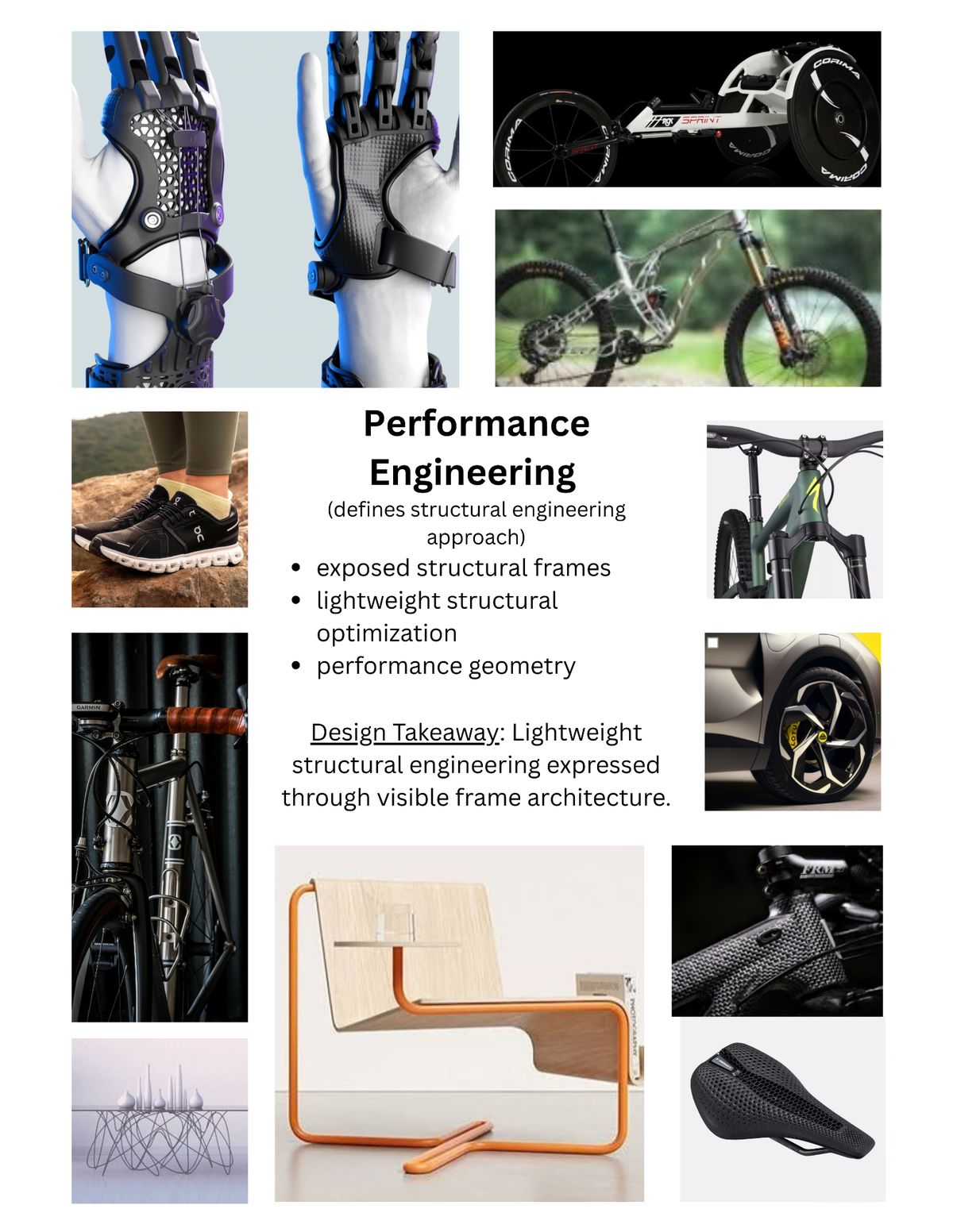
- Explored cross-industry inspiration from high-performance bicycles, motorsport, aerospace, luxury products, and industrial design.
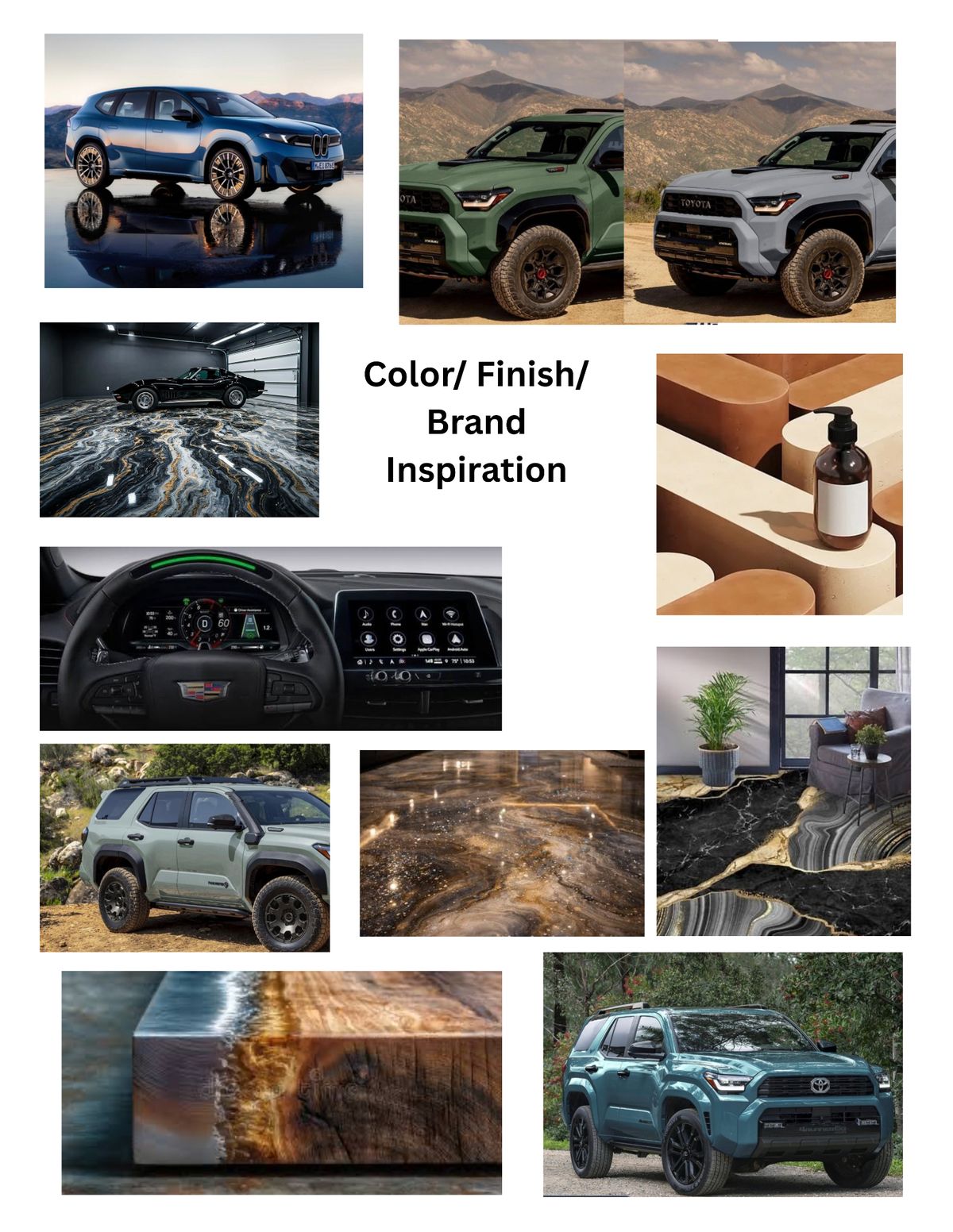
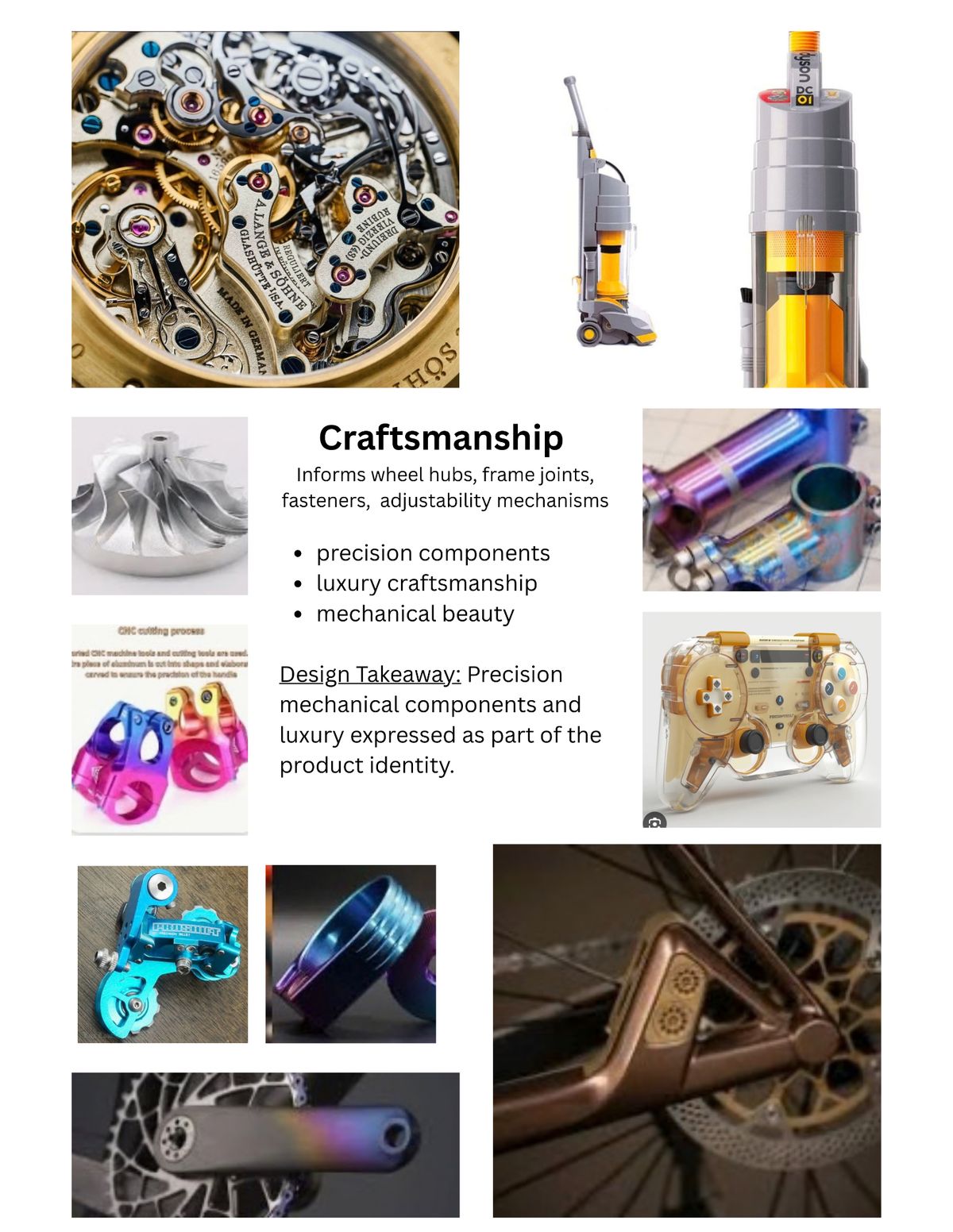
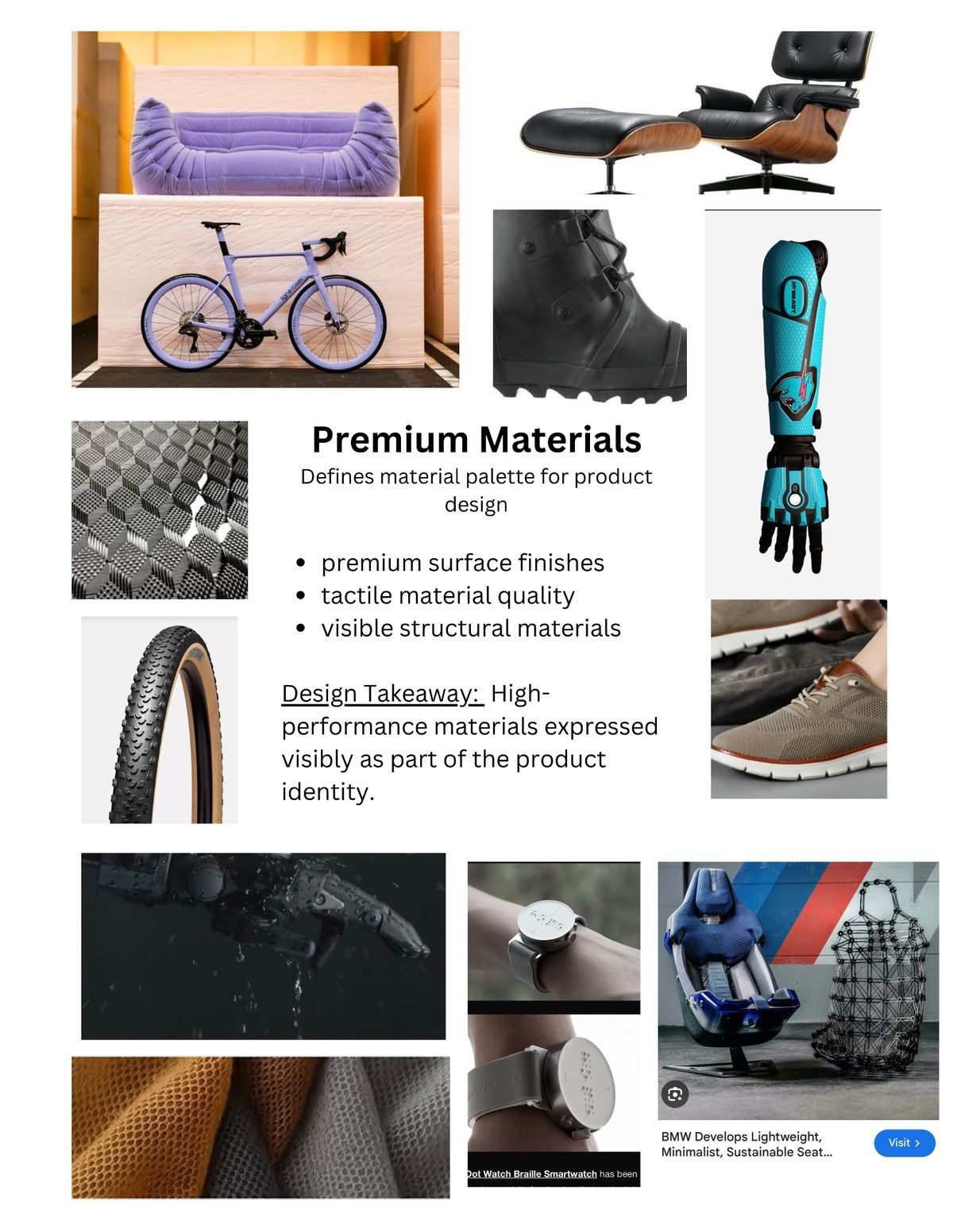
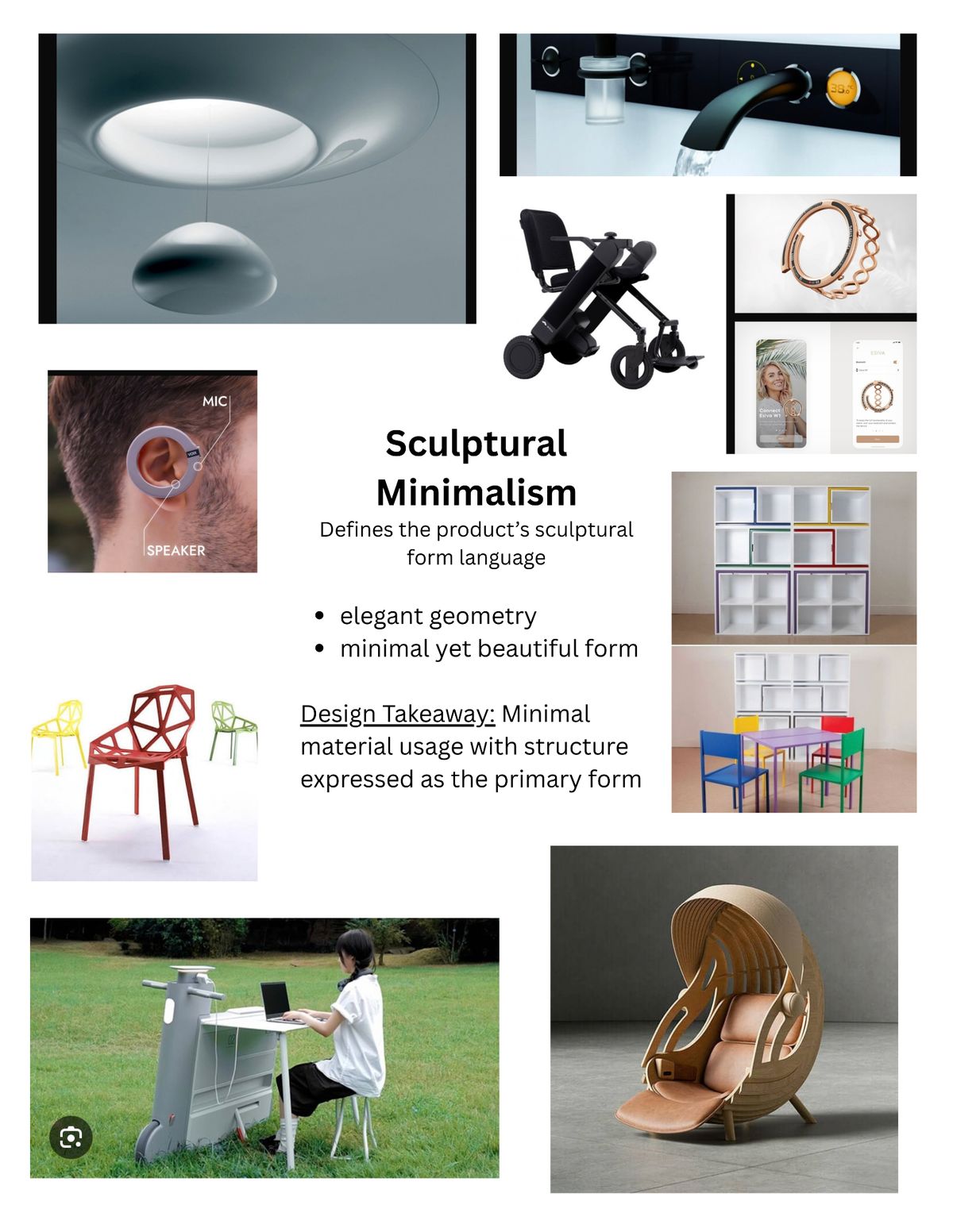
- Developed a design language framework around craftsmanship, performance engineering, premium materials, sculptural minimalism, and lifestyle identity.
- Explored potential structural and surface material directions, including carbon fiber, titanium, aluminum, and performance textiles.
- Organized the findings into a strategic concept framework for future development.
Who I worked with
- Exploratory advisory work focused on product strategy and concept development.
- Further engineering and manufacturing collaboration was identified as a future development requirement.
Decisions & tradeoffs
Strategic considerations
- Preserve functional integrity. The concept retains the essential requirements of reliability, safety, durability, comfort, and everyday usability.
- Expand the definition of mobility equipment. Explore a more design-forward product identity without compromising clinical functionality.
- Balance performance and lifestyle. Take inspiration from performance products and luxury consumer goods while recognizing that a wheelchair serves a fundamentally different functional purpose.
Tradeoffs
- Material and engineering feasibility. Premium materials such as carbon fiber and titanium were explored, while recognizing that final selections require engineering and manufacturing evaluation.
- Design ambition versus validation. A compelling concept direction was established without presenting untested design assumptions as proven product capabilities.
Outcomes
Exploratory work may not have measured results yet. Aims are listed separately from results.
Outcome
- The work established a strategic concept direction for a potential new category of luxury performance mobility.
- Documented outputs: identification of a category opportunity, definition of the target user and product vision, competitive and cross-industry research, a design language framework, initial material exploration, and a concept framework to guide future engineering collaboration.
- This remains concept development rather than a production-ready product.
- One of the key insights from this exploration was that mobility equipment can be approached as both functional technology and a personal product. The opportunity isn’t to trade medical reliability for aesthetics, but to expand what great mobility design can look and feel like.
- The research also reinforced the importance of bringing engineering, materials, ergonomics, and industrial design together early in product development.
Measured results
- Success at this stage was establishing a clear category opportunity, product vision, and design direction to inform future development. Engineering validation, prototyping, user testing, and commercial feasibility remain future steps.
What the work aims to clarify
- How might mobility devices evolve beyond traditional clinical design to deliver a more expressive, premium, and performance-oriented product experience without compromising everyday functionality, reliability, or independence?
Lessons
- Category thinking creates new opportunities. Looking beyond traditional industry classifications can reveal product opportunities that aren’t immediately visible through competitor benchmarking alone.
- Design is part of the product experience. For products people use every day, aesthetics, identity, materials, and personalization can be meaningful parts of the overall experience.
- Ambition needs engineering discipline. A compelling product vision must ultimately be grounded in ergonomics, safety, structural performance, and manufacturing feasibility.
Supporting visuals